
Round table discussion “Building on Strengths – How Can the European Plastics Industry Enhance Its Resilience?”
The plastics processing industry is one of the most important economic sectors in Germany and throughout Europe. Plastics processing companies, many of which are small and medium-sized enterprises, manufacture a vast range of products for all industry sectors and areas of life. Nevertheless, a sense of crisis prevails due to declining production, high energy costs, disrupted supply chains, geopolitical crises and a substantial tax burden. Pressure to shift to a circular economy is immense, yet the transition is stalling. A panel of renowned experts will come together at the “Fakuma Round-Table” in order to discuss strategies for plastics processing companies, which could pave the way to an economically successful future – for example more stable cost structures, reduced dependence on volatile crude oil markets and a systematic transition to a circular economy. Economic conditions, environmental imperatives and social challenges must be reconciled. The moderated panel discussion will focus on specific measures in the areas of development, production and administration. You’re cordially invited to follow this exciting discussion!
The event will take place on
13 October 2026, 16:00 in the Conference Centre East, Room Berlin.
Duration approx. 1 hour followed by a get-together.
Moderation
Dipl.-Ing. Markus Lüling, Managing Director of Kunststoff-Profi Verlag and editor-in-chief of the trade magazines K-PROFI and K-AKTUELL
The high-calibre guests on the panel are:
Dr. Johannes Kilian, Vice President Process and Application Technology, ENGEL AUSTRIA
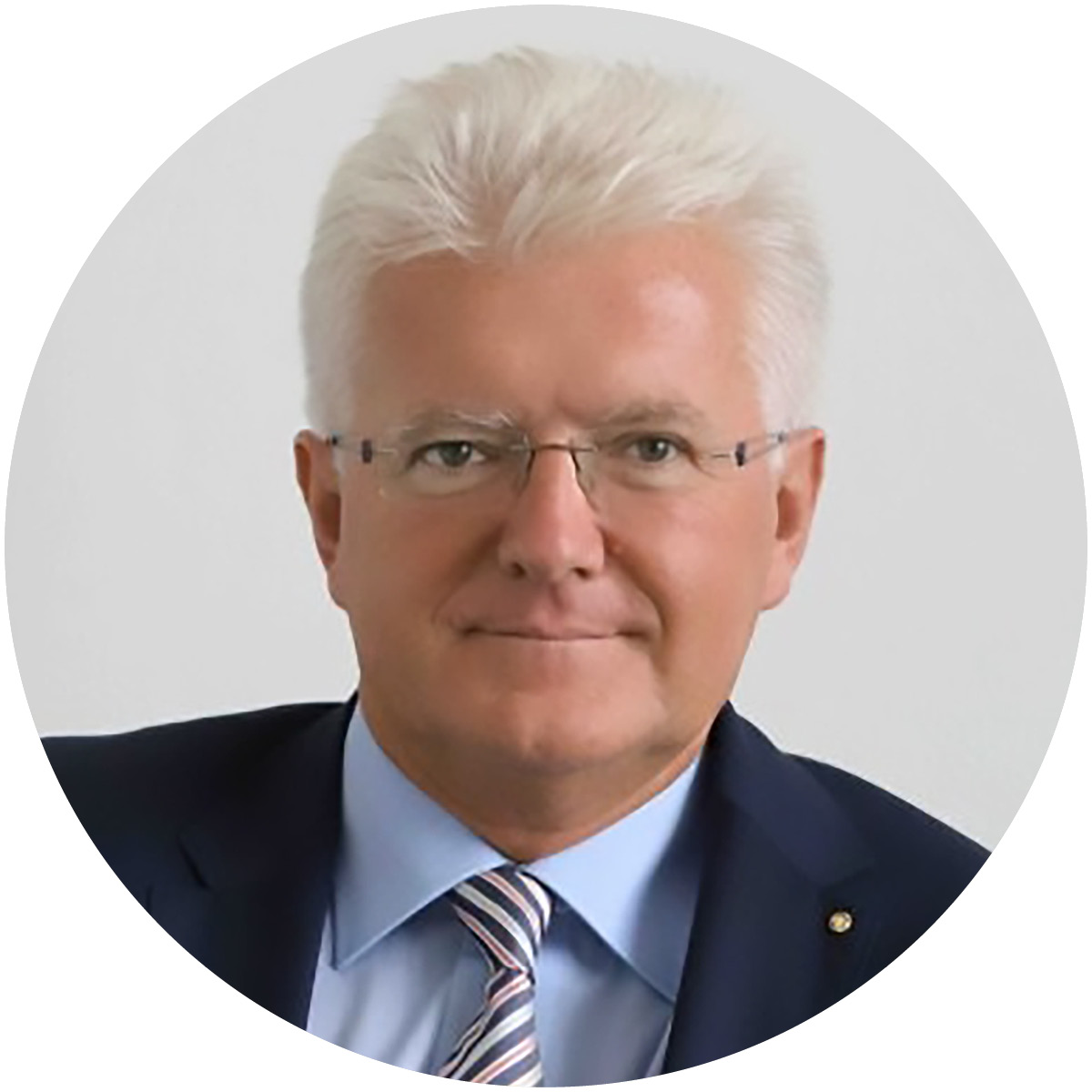
His teaser:
What attracts you to the podium with plastics processors, recycling technicians and mechanical engineers?
If you want to do something new, you need reliability and trust and you have to find co-operation partners. Fakuma is an ideal platform for this.
What are the missing prerequisites for a real breakthrough in the circular economy? Can digitalisation save what doesn’t work in the analogue world?
Digitalisation is what makes a genuine circular economy possible in the first place, because it can abolish the concept of waste, as both the composition and the whereabouts of materials can be traced at any time. It is therefore only a matter of time before the circular economy becomes established.

Josef Hochreiter, Managing Director, Next Generation Holding
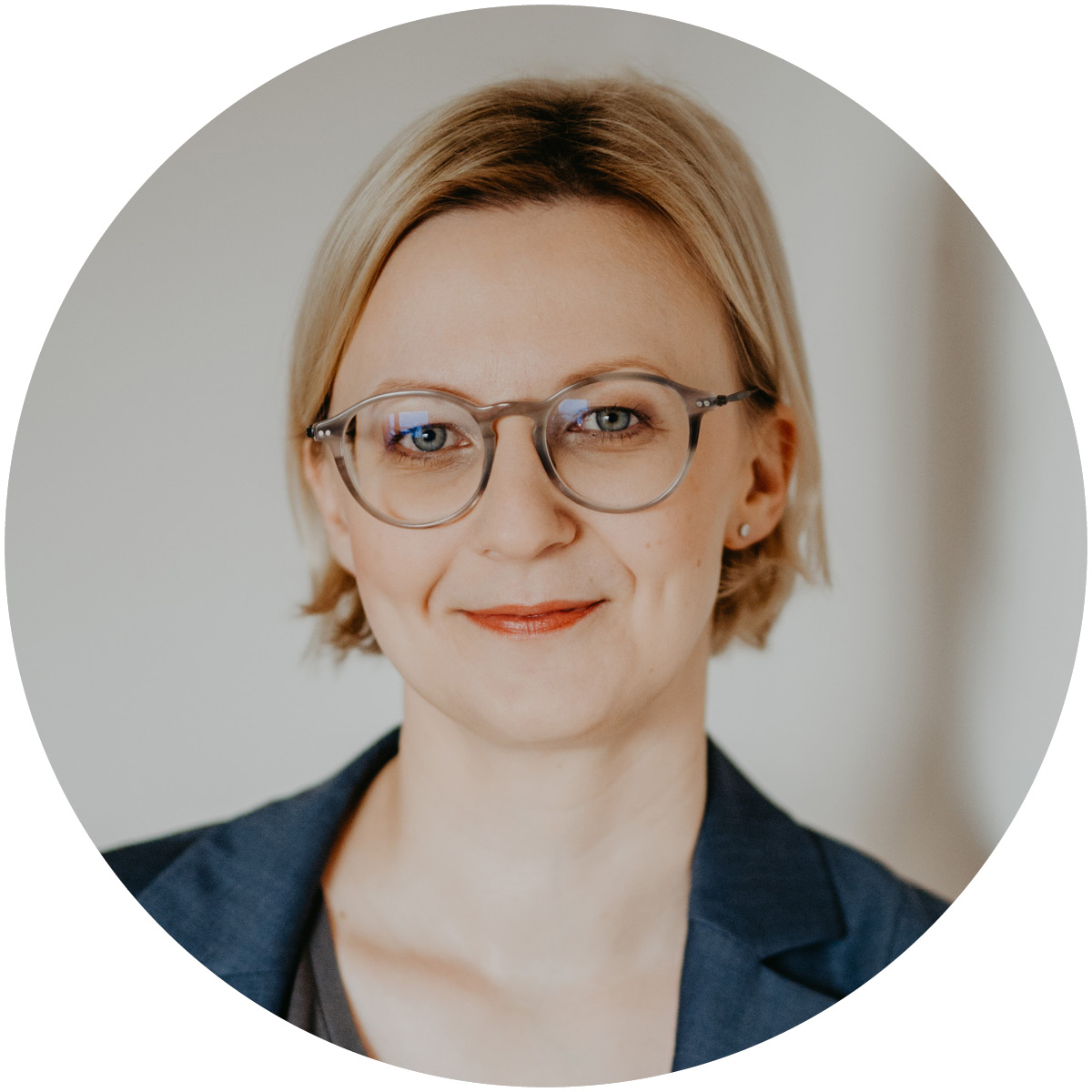
His teaser:
What attracts you to the panel of recycling scientists, plastics processors and mechanical engineers?
There are too many isolated solutions. The interface problems are therefore often more problematic than processing the actual task. This complicates the practical implementation of digital processes. Comprehensive standardisation across all sectors involved in plastics processing is absolutely essential here.
Which specific findings from production data support profitability and efficiency in plastics processing the most?
Digitalisation offers the opportunity to structure and organise the big picture, i.e. to make data tangible when we humans are no longer cognitively capable of doing so. This is necessary in order to capture complex, recurring but also very fast processes in detail – or to simulate processes. Digitalisation in production therefore offers scope for human creativity and also allows people to safely push their limits and play out different scenarios. That’s great!

Eva Söhnlein, Managing Director, Geiger Gruppe
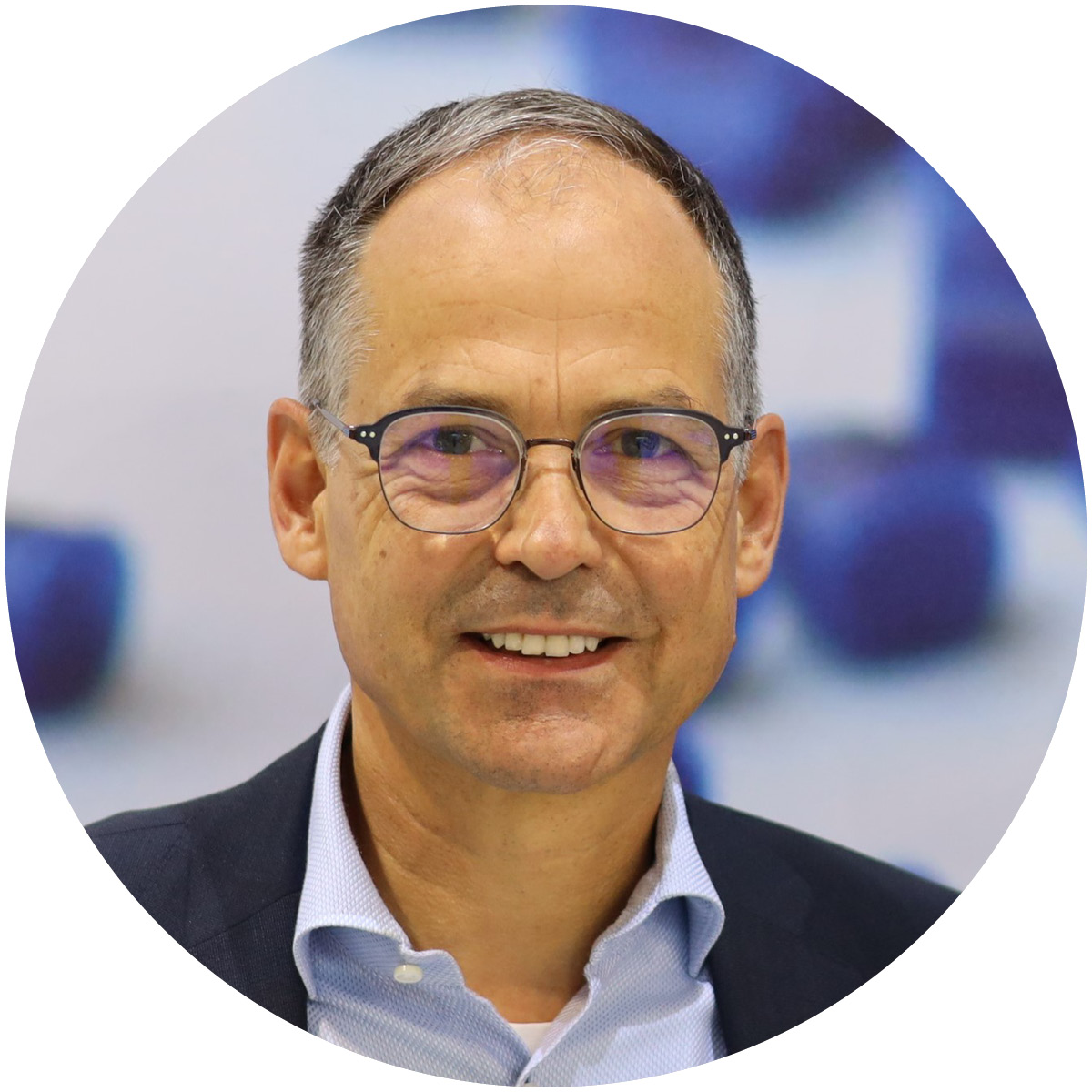
His teaser:
What attracts you to the podium with scientists, recycling technicians and plastics processors?
As a highly regarded ‘working trade fair’, Fakuma offers the perfect forum to discuss the key topic of digitalisation with experts from different fields in an intensive and practical manner. Here we can shed light on all aspects, exchange experiences, pool expertise, generate impetus and gain new ideas.
What do you see as the greatest untapped potential of digitalisation for plastics processors?
Plastics processors can save valuable time and money with digitally networked machines and systems – for example, by using ‘smart’ control functions, cloud applications and AI tools. In view of the shortage of skilled labour and increasingly complex applications, these enable simple and safe operation of the systems and high process stability, e.g. when processing recycled materials. The important thing is not to collect as much data as possible, but to collect precisely the data that will make your own injection moulding operation more efficient and therefore sustainably successful and fit for the future.

Michael Weigelt, Managing Director, TecPart – Verband Technische Kunststoff-Produkte e.V.
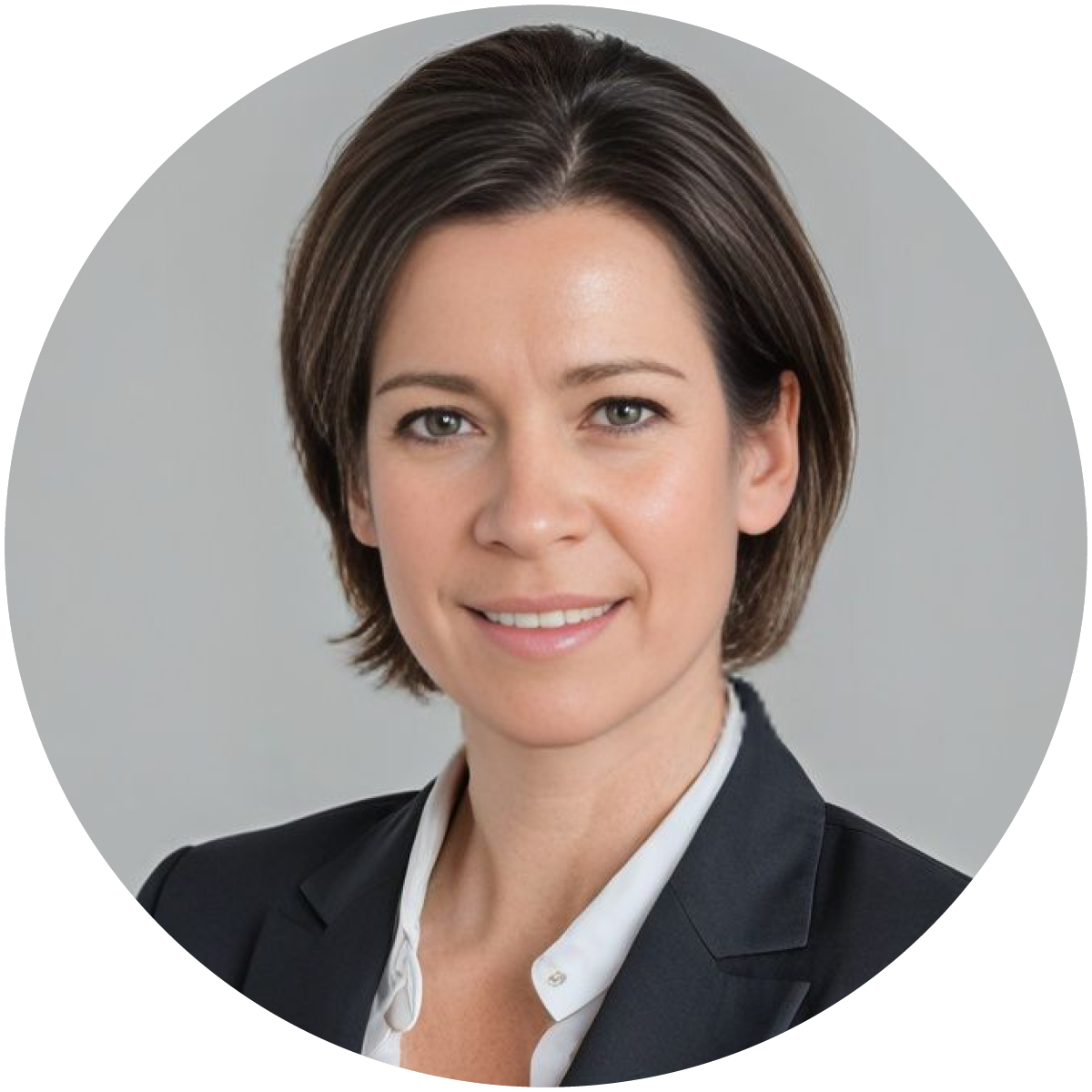
His teaser:
What attracts you to the podium with scientists, recycling technicians and plastics processors?
As a highly regarded ‘working trade fair’, Fakuma offers the perfect forum to discuss the key topic of digitalisation with experts from different fields in an intensive and practical manner. Here we can shed light on all aspects, exchange experiences, pool expertise, generate impetus and gain new ideas.
What do you see as the greatest untapped potential of digitalisation for plastics processors?
Plastics processors can save valuable time and money with digitally networked machines and systems – for example, by using ‘smart’ control functions, cloud applications and AI tools. In view of the shortage of skilled labour and increasingly complex applications, these enable simple and safe operation of the systems and high process stability, e.g. when processing recycled materials. The important thing is not to collect as much data as possible, but to collect precisely the data that will make your own injection moulding operation more efficient and therefore sustainably successful and fit for the future.